
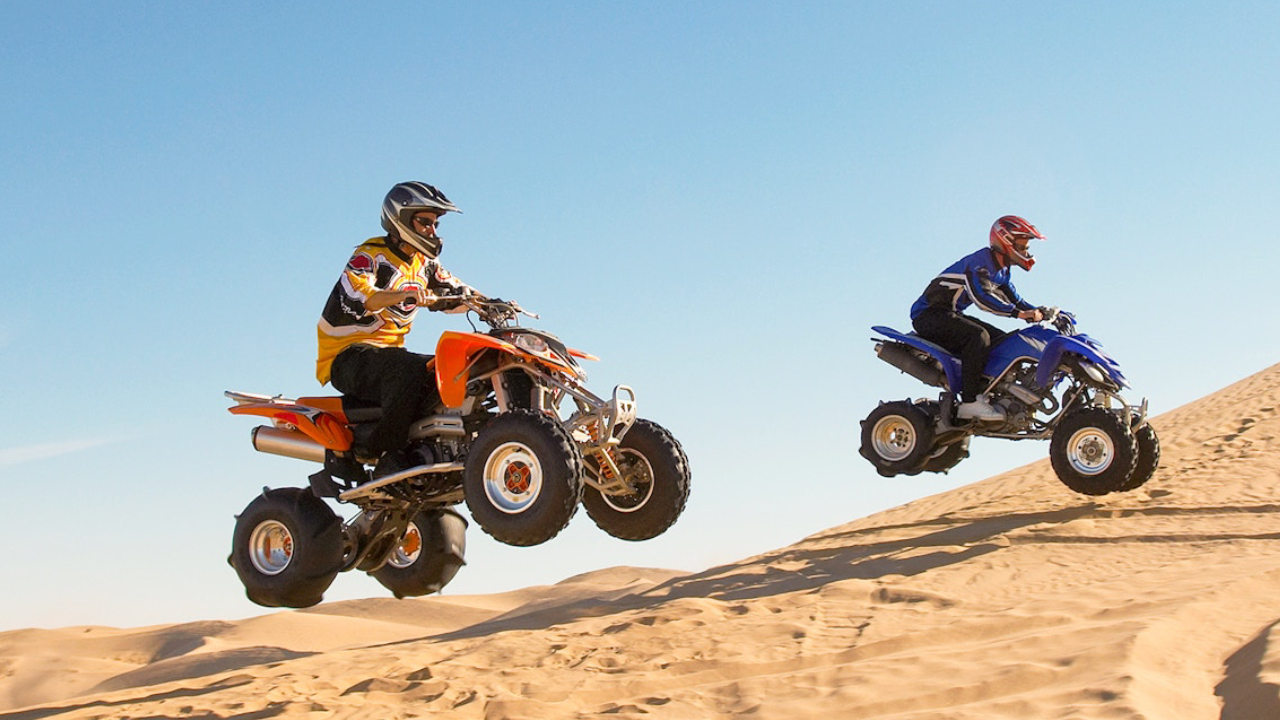
What reliability means for ATVs & Polaris
Reliability for an ATV means several things:
-
It functions dependably under off-road stress (sand, mud, climbs/descents).
-
It requires infrequent major repairs, when properly maintained.
-
Parts and support are reasonably available.
-
It retains performance (power, handling, safety features) over time.
Polaris is one of the major ATV brands globally, with lots of lineage in off-road, leisure, work, and desert-style machines. Many users report strong performance in power, comfort, and durability in tough terrain.
Where Polaris ATVs are strong (Pros)
Here are the areas where Polaris ATVs are commonly praised for being reliable:
-
Good Performance & Capability
Polaris models (e.g. the Sportsman series) are noted for delivering solid power, handling, and capability over rugged terrain. Many riders report going through rough trails, steep climbs, or soft sand without catastrophic failure. -
Comfort & Ergonomics
Riders like that Polaris offers relatively comfortable seating, good suspension (on models designed for it), which helps maintain reliability because less mechanical stress is induced by harsh vibration when you ride smoothly. -
Support & Maintenance Framework
Polaris has official maintenance schedules, dealer networks, owner manuals with periodic maintenance charts, certified service dealers, and guidelines for oil changes, inspections etc. Following those (as per the owner manual) tends to keep units more reliable. -
Solid Durability with Care
If properly maintained (cleaning, oil changes, checking drive components, servicing), Polaris units often last many years. Several owners report 10+ years, or many hours/distance of use, especially when not abused.
Where Polaris tends to have issues (Cons / Common Weaknesses)
Reliability is not perfect. Here are recurring complaints and weaknesses as reported by owners:
| Issue | What Happens / Model Examples |
|---|---|
| Electrical problems | Wiring issues, faulty connectors, sensors, or battery-related faults. Some models have recurring EPS (Electric Power Steering) issues. |
| Overheating & heat dissipation problems | In hot environments, or when ridden hard, units may suffer from heat buildup. Rear plastics or luggage racks (above exhaust) can become very hot; some paint or panels degrade. |
| Maintenance & repair cost | Parts and specialized services can be costly. Some components wear faster if not maintained (air filters, belts, transmission fluids). Owners note maintenance cost adds up. |
| Weight & handling in tight terrain | Some Polaris models are heavy, which affects handling in narrow trails or deep sand; heavier weight can lead to stress on suspension / drivetrain if misused. |
| Variable reliability depending on model | Some models are more trustworthy than others. For example, the Sportsman-series often gets better feedback; certain sub-models have known issues (e.g. early-generation 800 cc heat shield, EPS recall) in some Polaris Sportsman models. |
Reliability in harsh terrains (sand, desert, dunes) — special considerations
If you’re riding in desert / sand dunes (like Al Badayer, Lahbab etc.), reliability depends heavily on how you prepare and use the vehicle. Key points:
-
Sand and fine dust are harsh. Air filters, cooling systems, seals must be well maintained. If neglected, performance drops quickly.
-
Engine overheating is more likely at low speeds in deep sand or when airflow is restricted. Riders must manage throttle, choose proper gears, sometimes lower tire pressure to avoid getting stuck.
-
UV exposure, hot temperatures, and abrasive sand/iron oxide (in red dunes) mean that plastics, paint, seals degrade faster than in milder environments.
What affects Polaris reliability most (What you must control)
The reliability of any Polaris ATV (or any brand) depends less on the brand name and more on usage and maintenance. Key actions:
| Practice | Why It Matters |
|---|---|
| Regular oil / filter changes (engine, transmission, drive components) | Keeps bearings, gears, transmission smooth and prevents damage. Polaris owner manuals specify these intervals. |
| Air filter cleaning / replacement | Clean air = less engine wear, less heat stress. |
| Cooling system checks | Ensures radiator, fan, hoses are in good shape; prevents overheating. |
| Proper lubrication of joints, A-arms, drive shafts, etc. | Reduces wear & tear. |
| Avoiding overloading or abusing the machine (e.g. extreme jumps, pushing it beyond design) | Accelerates component failure. |
| Storage and environmental protection when not used | Helps protect electrical components, battery, sealings. Polaris gives guidelines for storage. |
Overall Verdict: Are Polaris ATVs Reliable?
Yes — Polaris ATVs are reasonably reliable overall, especially when used within design limits and well maintained. They are not perfect, and reliability differs between models and how they are used.
-
If used for guided tours, rental operations, or intensively in dunes, reliability depends heavily on preventive maintenance.
-
For personal use with moderate off-roading, many owners report satisfaction and long usable life.
If you care about:
-
Minimizing downtime
-
Low maintenance cost
-
Reliability under harsh desert conditions
then ensure the model you pick is known to perform well (look for feedback), and that the operator or owner follows Polaris recommended care guidelines.
What to look for when renting / buying Polaris for tours
If you plan to use Polaris ATVs / UTVs for dune buggy or buggy-style tours, check:
-
The specific model and spec (engine size, cooling capacity, suspension quality)
-
Maintenance history or service records (if buying)
-
Whether safety & service backup is included (spare belts, recovery vehicle etc.)
-
Whether gear is appropriate (air filter protections, roll cages, good tires)
-
Whether the operator uses OEM parts or good quality equivalents